Game Developers Enhance Progressive Slots with Tiered Loyalty and Adaptive Transactions for Mobile Users
Mara Perry · Aug 12, 2026
Game Developers Enhance Progressive Slots with Tiered Loyalty and Adaptive Transactions for Mobile Users
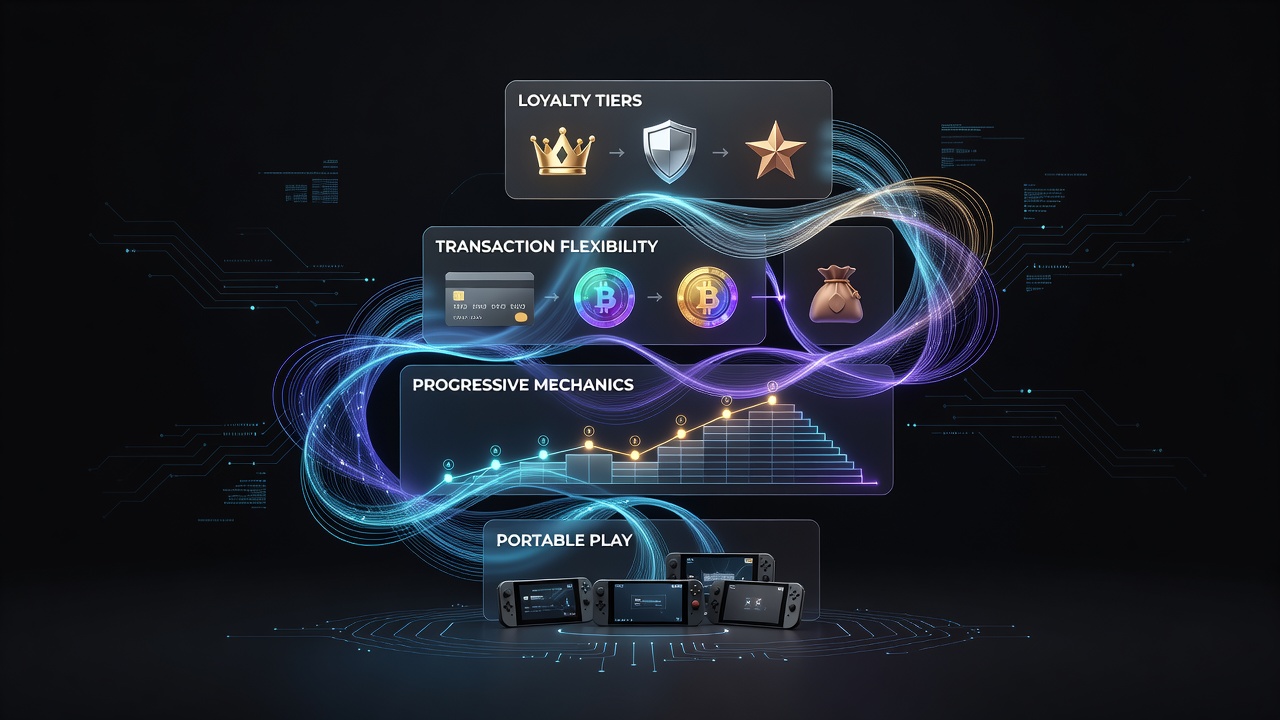
Game studios continue to refine progressive slot designs by embedding loyalty tier systems alongside flexible transaction features that suit portable devices, and these adjustments reflect broader shifts in player access patterns across digital platforms. Data from industry reports indicates that mobile progressive mechanics now often include tiered reward structures where accumulated play unlocks multipliers on jackpot contributions, while transaction layers support instant deposits and withdrawals through multiple gateways without disrupting gameplay flow.
Loyalty Integration in Progressive Frameworks
Developers layer loyalty programs directly into progressive engines so that higher tiers grant accelerated point accumulation toward shared jackpots, and this approach ties player status to contribution rates in real time. Observers note that studios apply algorithms which adjust bonus spin frequencies based on tier level, whereas lower tiers receive standard progressions and elite ranks access enhanced multipliers during cascade sequences. Research from the American Gaming Association highlights how such systems maintain jackpot pools while distributing rewards proportionally, yet implementation varies by studio with some opting for cross-game loyalty tracking that follows users across multiple titles on the same mobile platform.
Case examples show providers testing tiered entry points where new players start at base levels and advance through play volume, and those advancements unlock features like priority access to daily progressive drops. Figures reveal consistent growth in mobile session lengths when loyalty elements sync with jackpot meters, although regulatory environments in various regions influence how quickly these features roll out to new markets.
Transaction Adaptability for On-the-Go Play
Flexible payment mechanics allow seamless switches between methods such as e-wallets, bank transfers, and emerging digital currencies, all while preserving the integrity of progressive contributions during active sessions. Studios embed these options into mobile interfaces so users can adjust stake levels or claim winnings without exiting the game environment, and integration with loyalty tiers often means higher-status players encounter reduced processing times for larger transactions. A report issued by the Nevada Gaming Control Board in early 2026 documented increased adoption of these adaptable systems in licensed mobile offerings, where transaction logs feed back into loyalty calculations automatically.
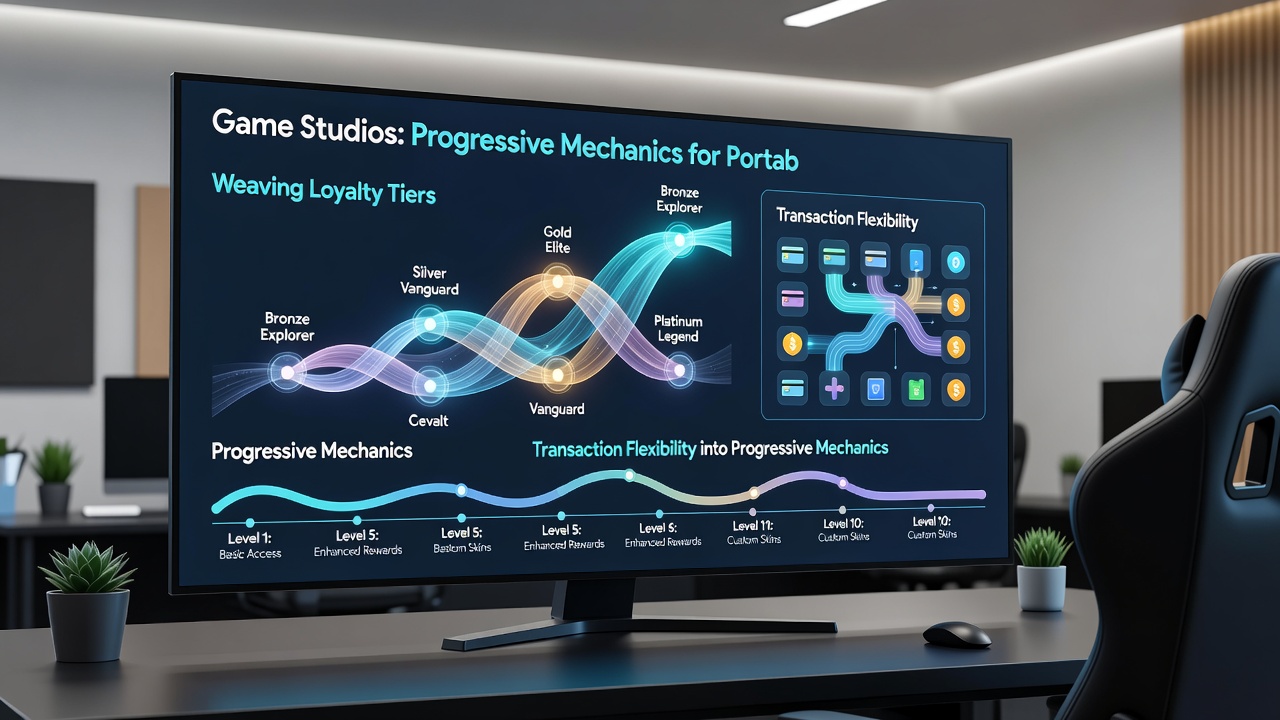
What's notable is the way these mechanics handle interruptions common to portable use, such as network shifts or device switches, because continuity protocols restore both progress toward jackpots and loyalty status without data loss. Industry analyses indicate that studios prioritize API connections to payment processors that support micro-transactions, enabling players to top up balances mid-session while contributions to progressive pools continue uninterrupted.
Portable Optimization and August 2026 Developments
August 2026 saw several studios release updated mobile frameworks that combine loyalty tracking with transaction flexibility inside progressive structures optimized for smaller screens and variable data speeds. These updates include responsive designs that maintain jackpot visibility alongside tier indicators, and they support quick authentication methods that reduce friction during deposits or withdrawals. Data shows portable play now accounts for the majority of progressive slot activity in monitored markets, with transaction flexibility cited as a key factor in session retention across different device types.
Providers also incorporate offline caching for loyalty progress so users retain tier benefits even during temporary connectivity issues, while progressive contributions resume upon reconnection. External examinations by groups like the European Gaming and Betting Association confirm that such technical adaptations align with hardware capabilities of current smartphones, allowing complex mechanics to run smoothly without compromising jackpot fairness calculations.
Conclusion
Overall patterns indicate game studios will keep refining how loyalty tiers and transaction options mesh with progressive elements to suit portable environments, and ongoing data collection from multiple regulatory bodies continues to shape these technical choices. The result appears in more integrated mobile experiences where player status and payment choices directly influence jackpot participation rates across sessions.