Provider Alliances Reshaping Prize Mechanics Through Integrated Transaction and Retention Systems in Portable Progressive Formats
Ulrich Walter · Nov 1, 2026
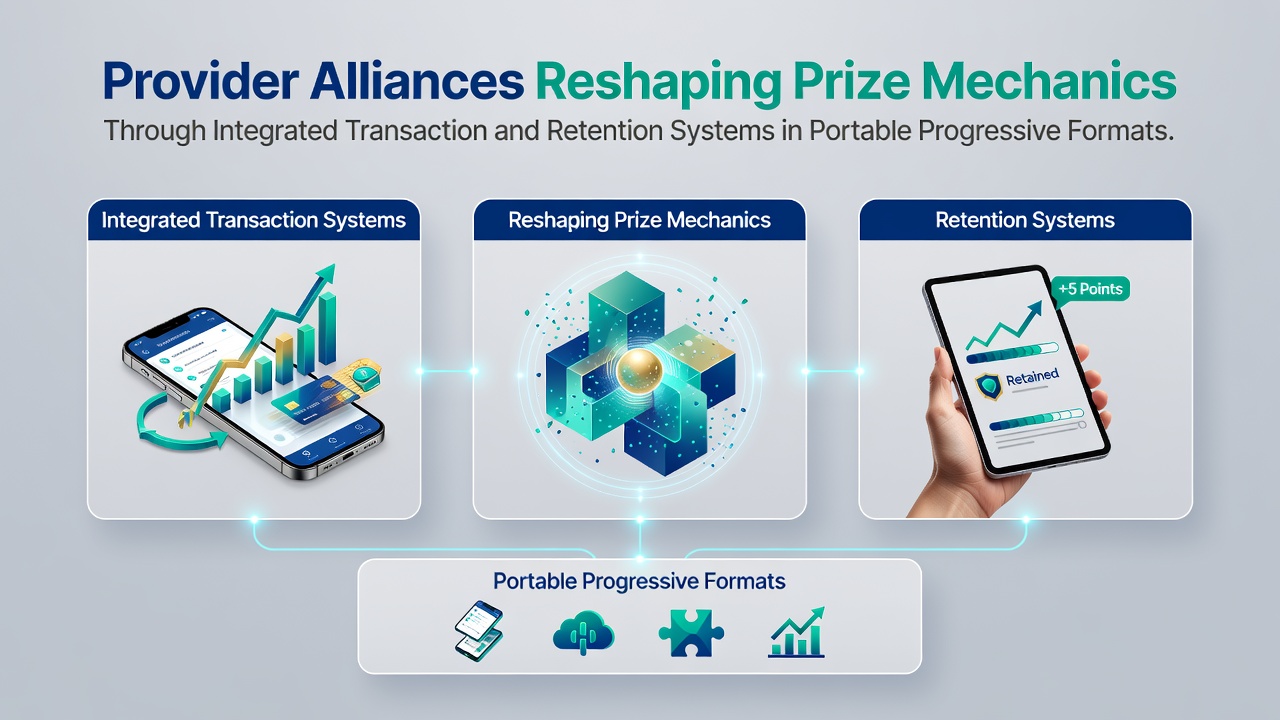
Provider Alliances Reshape Prize Mechanics Through Integrated Transaction and Retention Systems in Portable Progressive Formats
Alliances between slot providers have begun to alter how progressive jackpots operate by combining payment processing tools with player retention programs inside mobile-friendly formats. These partnerships focus on linking transaction systems directly to progressive prize pools, which allows real-time updates across multiple platforms while incorporating loyalty mechanisms that track player activity and adjust rewards accordingly. Data from industry reports shows that such collaborations increased in frequency during 2025, with several major developers pooling resources to create shared progressive networks. These networks operate on portable systems that function across devices, enabling jackpots to accumulate from transactions processed through unified gateways. Retention features within these setups include tiered loyalty points earned through deposits and spins, which then feed back into bonus eligibility tied to the same progressive structures.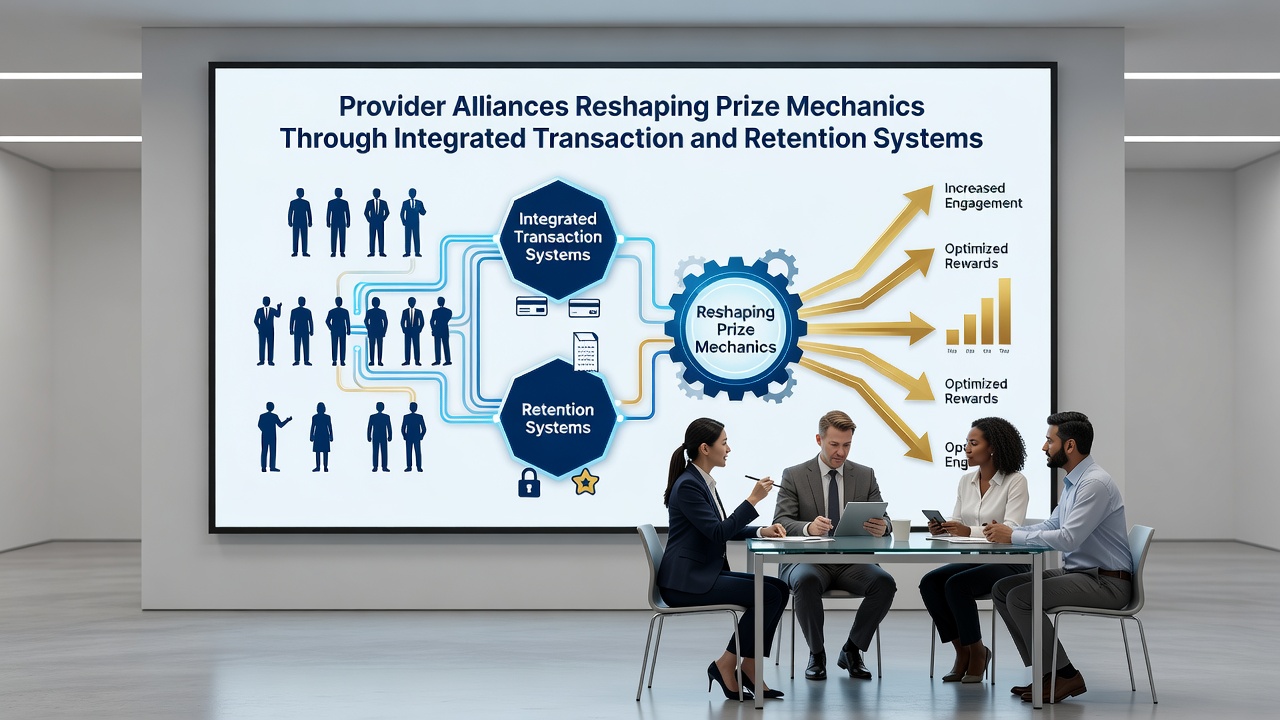
Alliances between slot providers have begun to alter how progressive jackpots operate by combining payment processing tools with player retention programs inside mobile-friendly formats. These partnerships focus on linking transaction systems directly to progressive prize pools, which allows real-time updates across multiple platforms while incorporating loyalty mechanisms that track player activity and adjust rewards accordingly. Data from industry reports shows that such collaborations increased in frequency during 2025, with several major developers pooling resources to create shared progressive networks. These networks operate on portable systems that function across devices, enabling jackpots to accumulate from transactions processed through unified gateways. Retention features within these setups include tiered loyalty points earned through deposits and spins, which then feed back into bonus eligibility tied to the same progressive structures.Mechanics of Integrated Transaction Systems
Transaction integration in these alliances typically involves standardized APIs that connect casino operators to multiple providers at once. When players make deposits or place bets, the systems route portions into progressive pools without delays that previously occurred between separate platforms. Observers note that this setup reduces fragmentation, since a single transaction can contribute to jackpots hosted by partner companies rather than remaining isolated. Portable progressive formats benefit because the underlying software supports cross-device synchronization. Players switch between phones and tablets while their contributions and prize eligibility remain consistent. Figures from gaming technology studies indicate that transaction speeds in these integrated environments improved by measurable margins compared to standalone systems used before alliance formations.Retention Systems and Player Engagement Layers
Retention components integrated into these alliances often rely on centralized databases that monitor activity across partnered titles. Points accumulate from wagers and deposits, then convert into multipliers or exclusive access levels that influence progressive jackpot participation. Researchers have documented how these layers encourage continued play by linking retention metrics directly to prize mechanics, such as granting higher contribution rates to pools for loyalty tier members. By November 2026, several alliances had rolled out updates that allowed retention data to influence jackpot distribution rules in real time. This meant players at elevated tiers saw adjusted probabilities or additional seed contributions applied to their sessions. The approach draws from broader industry patterns where loyalty integration aims to sustain engagement without altering core random number generator functions.