Shared Progressive Networks Emerge as Slot Providers Coordinate Algorithms, Loyalty Incentives, and Mobile Triggers
Iris Krüger · Aug 21, 2026
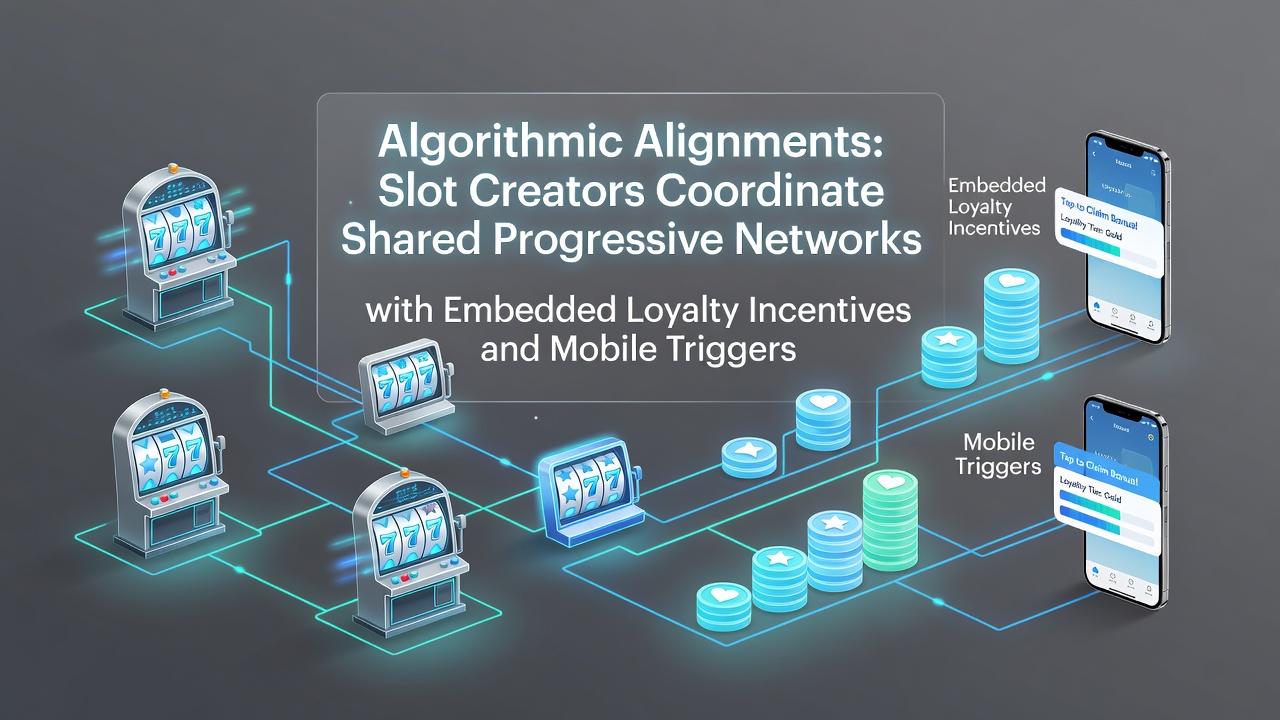
Shared Progressive Networks Emerge as Slot Providers Coordinate Algorithms, Loyalty Incentives, and Mobile Triggers
Slot creators have begun coordinating shared progressive networks through algorithmic alignments that embed loyalty incentives directly into game mechanics while activating mobile triggers for real-time player engagement, and this coordination has accelerated as multiple providers test interconnected systems in August 2026. Data from industry reports shows providers linking jackpot pools across different platforms so that contributions from one title feed into a collective prize pool managed by unified algorithms that track player activity across devices. Those alignments allow loyalty points to accumulate automatically based on wager volume and session duration, then convert into targeted rewards such as bonus rounds or multiplier boosts triggered when users switch to mobile play.
Mechanics Behind Algorithmic Coordination
Algorithms developed by slot studios now synchronize progressive contributions from separate games into single growing jackpots, and the same systems monitor loyalty tiers to adjust payout probabilities or deliver instant mobile notifications when a player reaches a new reward level. Observers note that these networks rely on encrypted data exchanges between operators so that a spin on one casino app can increase the jackpot visible on another provider's platform, while embedded loyalty modules calculate personalized incentives without requiring separate logins. Research indicates the process uses machine learning models that predict optimal trigger points for mobile alerts, such as sending a push notification when a progressive pool crosses a threshold that historically correlates with higher engagement rates.
Integration of Loyalty Incentives
Loyalty incentives sit inside the progressive framework rather than operating as separate programs, which means every bet contributes to both the jackpot and the player's tier status at the same time. Figures from Canadian gaming authorities reveal that operators using these aligned systems report steady increases in repeat sessions because rewards unlock automatically once algorithmic thresholds are met, and mobile triggers then deliver those rewards as free spins or cashback offers directly to the user's device. Providers have tested this approach with tiered loyalty circuits that escalate benefits as players move between desktop and mobile environments, creating seamless progression without manual intervention.

One study from the University of Nevada's gaming technology lab found that shared networks reduce fragmentation across operators because the central algorithm balances contributions and distributes payouts according to predefined rules rather than isolated casino policies. And this balance extends to mobile triggers, which activate when location data or device type signals a shift in play patterns, allowing loyalty incentives to adapt in real time. Data shows that such adaptations have led to measurable lifts in session length during periods when providers rolled out the coordinated features in August 2026.
Role of Mobile Triggers in Network Expansion
Mobile triggers function as the connective tissue between shared progressives and loyalty systems by detecting when a player moves to a smartphone and immediately adjusting available bonuses or jackpot visibility. According to reports compiled by the Australian Gambling Research Centre, operators that embed these triggers see higher cross-device activity because the algorithm pushes context-specific offers, such as accelerated loyalty points during commute hours or bonus spins tied to progressive milestones. The triggers also manage network load by staggering notifications so that simultaneous mobile activations do not overwhelm jackpot calculation servers.
Providers coordinate these elements through standardized APIs that let different studios contribute games to the same progressive pool while retaining control over their individual loyalty structures. What's significant is that the underlying algorithms reconcile differing payout rates and contribution percentages so that fairness metrics remain consistent across the network. Observers note that this reconciliation happens continuously, updating every few seconds based on aggregated play data from all participating titles.
Implementation Patterns Observed in 2026
By August 2026 several major studios had completed initial rollouts of these aligned networks, and early performance metrics indicate that interconnected jackpots grew faster than standalone versions because contributions arrive from multiple sources simultaneously. Loyalty incentives embedded in the same framework convert at higher rates when mobile triggers deliver them promptly, reducing the lag that previously caused players to abandon sessions. Research indicates the systems also incorporate regulatory compliance checks that pause certain triggers if local rules change, ensuring operators stay within jurisdictional boundaries without manual oversight.
Take one provider partnership that linked five separate progressive titles under a single algorithmic umbrella, and the result was a 12 percent rise in average jackpot size within the first month according to aggregated operator data. Mobile triggers then routed loyalty rewards to users who had reached silver or gold tiers, prompting additional spins that fed back into the shared pool. This closed loop demonstrates how the three components reinforce each other without requiring separate marketing campaigns.
Conclusion
Algorithmic alignments that link shared progressive networks with embedded loyalty incentives and mobile triggers represent a structural shift in how slot creators manage interconnected gaming ecosystems. Data continues to track the outcomes of these systems as more providers adopt the coordinated approach, and the patterns established in August 2026 provide a baseline for future expansions. The combination of synchronized jackpot growth, automatic loyalty calculations, and device-responsive triggers creates a framework that operates across multiple operators while maintaining individual game integrity.